
Blog
Finding Your Voice in Voice-Over

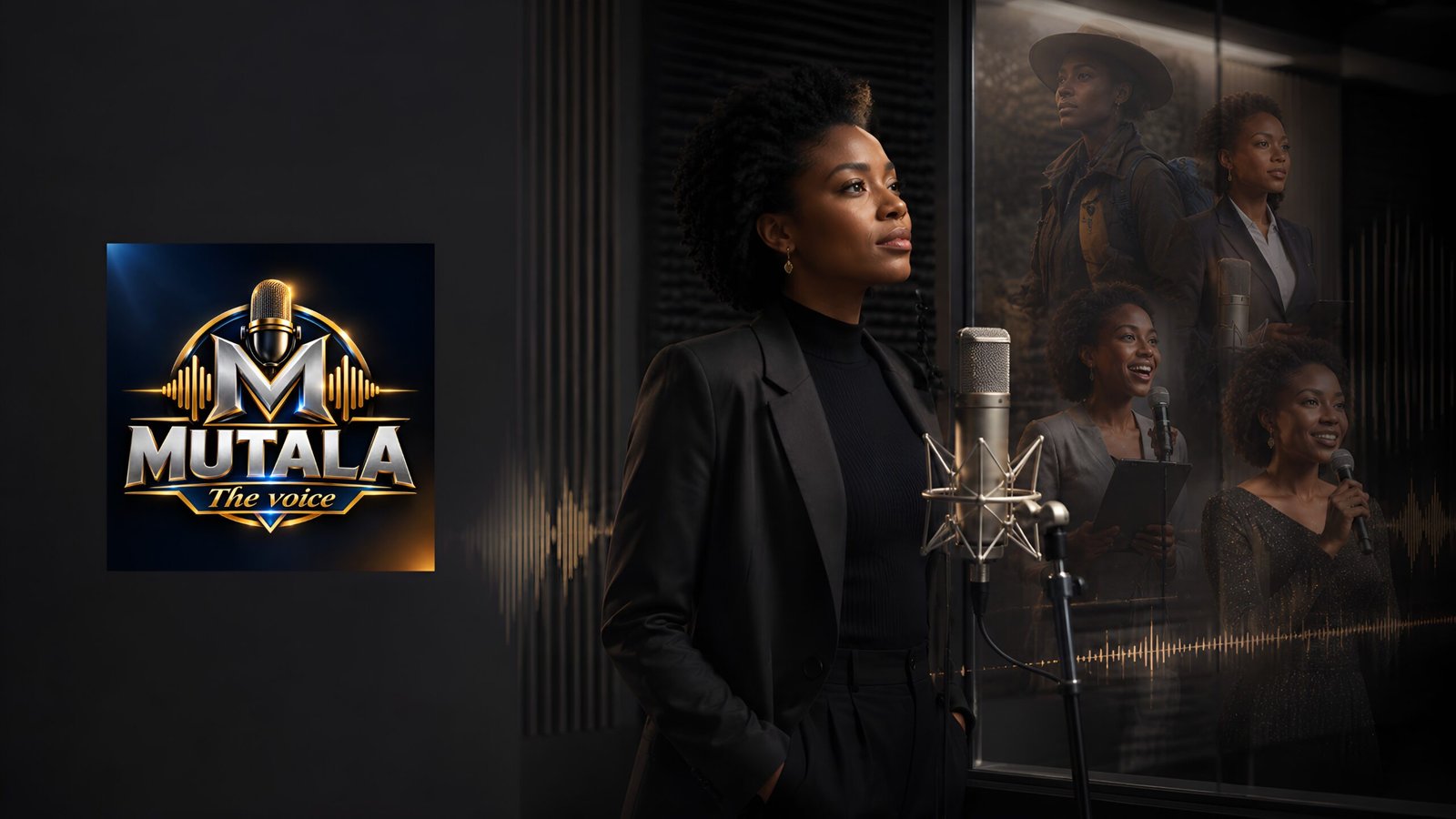
Finding your voice in voice-over is not simply about having a naturally deep, smooth, or powerful voice. It is about understanding what makes your voice believable, memorable, and appropriate for the story you are telling.
Every voice has its own character. Some voices feel warm and reassuring. Others sound authoritative, energetic, youthful, conversational, dramatic, or trustworthy. The goal of a voice-over artist is not to change that identity completely, but to learn how to use it intentionally.
A strong voice-over performance begins with understanding the purpose of the script. Who is speaking? Who are they speaking to? What should the listener feel? What action or response should the message create? These questions help the performer decide how the words should sound rather than simply reading what is written on the page.
This is where interpretation becomes important. The same sentence can communicate completely different meanings depending on pace, emphasis, pitch, pauses, and emotion. A professional voice actor learns to recognize these possibilities before pressing the record button.
Your everyday voice can also be an important starting point. Many beginners make the mistake of trying to sound like what they believe a “professional voice” should sound like. They lower their pitch, exaggerate their pronunciation, or adopt an unnatural delivery. The result may sound polished, but it often lacks authenticity.
Listeners connect with voices that feel human.
That does not mean every voice-over should sound casual. A corporate presentation may require confidence and authority. A documentary may need restraint and emotional depth. A commercial may require energy and persuasion. An e-learning project may need clarity and patience. A character performance may require an entirely different vocal identity.
The professional skill lies in being able to adapt without losing control of your voice.
Breathing, articulation, pacing and vocal control all contribute to this ability. Good breathing allows the performer to sustain phrases naturally. Clear articulation ensures that the message can be understood. Controlled pacing gives important ideas room to land, while well-placed pauses can create emphasis without adding another word to the script.
But technical ability alone is not enough.
A memorable voice-over performance comes from understanding the thought behind the words. Instead of asking, “How should I read this sentence?” ask, “What am I trying to say?” That small change in thinking can transform a performance from reading into communication.
The strongest voice-over artists are therefore not simply good readers. They are interpreters, communicators and storytellers.
They understand that the microphone does not need a performance for the sake of performance. It needs a believable human connection.
Finding your voice is ultimately about discovering how your natural strengths can serve different stories, brands, audiences and emotions. Once you understand that, your voice becomes more than a sound.
It becomes an instrument for telling the story.